Handmade Pumpkin: Elevating Design with Authentic Handwritten Typography
In the digital age, where precision and uniformity often dominate visual communication, there is a growing appreciation for elements that feel human, organic, and imperfect. This shift has placed handwritten typography at the forefront of modern graphic design trends. Among the myriad of options available to designers, Handmade Pumpkin stands out as a distinctive choice that bridges the gap between casual scribbles and elegant calligraphy. It is not merely a font; it is a tool for injecting personality and warmth into static designs.
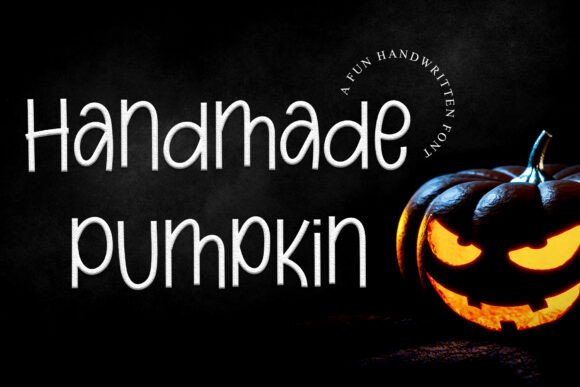
The appeal of a typeface like Handmade Pumpkin lies in its ability to mimic the natural flow of human handwriting. Unlike standard sans-serif or serif fonts that can sometimes feel cold or corporate, this typeface offers a varied baseline and irregular stroke widths that replicate the subtle inconsistencies of pen on paper. For professionals ranging from wedding planners to branding experts, understanding how to leverage such a font can significantly enhance the emotional impact of their work.
The Aesthetic Philosophy of Natural Imperfection
To truly appreciate the utility of Handmade Pumpkin, one must first understand the aesthetic philosophy behind "natural" typography. In traditional typesetting, every letter sits perfectly on a baseline, and spacing is mathematically calculated. While this ensures readability, it often strips away character. Handmade Pumpkin disrupts this rigidity by featuring a varied baseline. This means that letters do not sit in a straight, robotic line but rather float slightly up and down, just as they would if written by hand in real time.
This characteristic creates a sense of movement and rhythm within the text. When viewers encounter text set in Handmade Pumpkin, their brains process it differently than standard typed text. The slight variations signal authenticity. It suggests that a person was involved in the creation process, fostering a subconscious connection between the viewer and the message. This is particularly valuable in industries where trust and personal connection are paramount, such as boutique retail, artisanal food production, and personalized services.
Furthermore, the font’s structure avoids the overly polished look of digital calligraphy scripts. Many script fonts suffer from looking too perfect, with seamless connections that no human hand could naturally produce. Handmade Pumpkin retains a raw, handmade touch that feels genuine. It strikes a balance between elegance and approachability, making it versatile enough for both high-end luxury branding and friendly, community-focused communications.
Technical Advantages and Usability
Beyond its visual appeal, Handmade Pumpkin offers significant technical advantages that streamline the design workflow. One of the most critical features for professional designers is its PUA encoding. PUA, or Private Use Area, encoding allows users to access special glyphs, ligatures, and swashes directly through standard keyboard shortcuts or character maps, without needing complex software plugins or advanced OpenType feature toggles.
For a designer working under tight deadlines, this accessibility is invaluable. Swashes—decorative flourishes added to the beginning or end of letters—can transform a simple word into a logo-worthy graphic element. With Handmade Pumpkin, these elements are readily available, enabling rapid iteration and experimentation. This ease of access ensures that the creative process remains fluid, allowing designers to focus on composition and hierarchy rather than troubleshooting font settings.
The font’s versatility also extends to its legibility. Despite its handwritten nature, it maintains clear character distinction. This is crucial when using decorative fonts for longer passages or smaller print sizes. Whether it is used for a short headline on a billboard or detailed information on a greeting card, Handmade Pumpkin remains readable while retaining its stylistic charm.
Strategic Applications Across Industries
The practical applications of Handmade Pumpkin are vast, spanning multiple industries and media types. Its unique blend of elegance and informality makes it suitable for various contexts where a personal touch is required.
Wedding and Event Stationery
Perhaps the most natural home for Handmade Pumpkin is in the world of wedding invitations and event stationery. Couples today increasingly seek to personalize their wedding materials to reflect their unique story. A font that looks handwritten adds an intimate, bespoke feel to save-the-dates, invitations, and place cards. The varied baseline mimics the care taken in addressing envelopes by hand, evoking a sense of tradition and thoughtfulness. When paired with minimalist layouts and high-quality paper stocks, Handmade Pumpkin elevates the perceived value of the stationery suite.
Branding and Logo Design
For small businesses and startups, establishing a brand identity that feels authentic is crucial. Handmade Pumpkin works exceptionally well for logos in sectors such as bakeries, florists, craft breweries, and boutique clothing stores. These industries rely on conveying craftsmanship and quality. A logo using this font suggests that the products are made with care and attention to detail. It helps differentiate a brand from competitors who may use generic, off-the-shelf typography, creating a memorable visual identity that resonates with consumers seeking authenticity.
Digital Marketing and Social Media
In the crowded landscape of social media, visuals must stop the scroll. Handmade Pumpkin can be effectively used in Instagram stories, Pinterest pins, and Facebook ads to create a sense of immediacy and personal connection. Quotes, promotional announcements, and product highlights set in this font stand out against the backdrop of sterile corporate graphics. The handwritten style feels less like an advertisement and more like a recommendation from a friend, which can increase engagement and click-through rates.
Packaging and Product Labels
Product packaging is another area where Handmade Pumpkin shines. For artisanal goods such as jams, candles, soaps, and coffees, the label is often the primary selling point. Using a font that mimics handwriting reinforces the idea of small-batch production and natural ingredients. It creates a tactile visual experience that complements the physical product. When customers see Handmade Pumpkin on a label, they associate the product with human craftsmanship rather than mass manufacturing.
Best Practices for Implementation
While Handmade Pumpkin is a powerful design tool, its effectiveness depends on proper implementation. Overuse can lead to visual clutter and reduced readability. To maximize its impact, designers should consider the following best practices:
- Hierarchy and Contrast: Use Handmade Pumpkin for headlines, titles, or accent words rather than body text. Pair it with a clean, simple sans-serif font for longer paragraphs to ensure readability and create a balanced visual hierarchy.
- Spacing and Kerning: Although the font has built-in spacing characteristics, manual adjustments may be necessary for specific letter combinations. Pay attention to the space between words to maintain the natural flow without letting letters collide or drift too far apart.
- Color and Background: This font works best with high contrast. Dark text on light backgrounds or vice versa ensures that the intricate details of the handwritten strokes are visible. Avoid placing it over busy images unless a solid overlay is used to separate the text from the background.
- Contextual Appropriateness: Consider the tone of the message. Handmade Pumpkin is ideal for warm, inviting, and personal messages. It may not be suitable for highly formal legal documents or technical manuals where neutrality and strict clarity are required.
The Role of Typography in Emotional Design
Ultimately, the choice of typography is a decision about emotional resonance. Fonts carry cultural and psychological associations. Handmade Pumpkin taps into the human desire for connection and authenticity in an increasingly digital world. By choosing a font that looks like it was created by hand, designers are making a statement about values: transparency, care, and individuality.
This emotional dimension is why Handmade Pumpkin is not just a trend but a lasting resource for designers. As consumers become more discerning, they gravitate towards brands and messages that feel real. The varied baseline and natural touch of this font provide that sense of reality. It makes ideas look less like corporate constructs and more like genuine expressions.
For educators and researchers studying visual communication, Handmade Pumpkin serves as an excellent case study in how typographic nuances influence perception. It demonstrates that perfection is not always the goal; sometimes, imperfection is the key to engagement. For hobbyists and creators, it offers an accessible way to add professional polish to personal projects without requiring advanced illustration skills.
In conclusion, Handmade Pumpkin is more than a collection of characters; it is a versatile design asset that enhances the narrative power of visual content. Whether used on a billboard to catch the eye of passersby or on a business card to leave a lasting impression, it brings a unique, elegant, and human touch to any project. By understanding its characteristics and applying it strategically, designers and creators can produce spectacular creations that resonate deeply with their audiences.